

Choosing a mission trip is a bigger decision than it sometimes gets treated.
Don’t automatically choose a mission organization simply because you’ve traveled with them before. Don’t choose only because they’re the cheapest. And don’t choose a trip simply because the destination looks the most exciting.
Familiarity matters. Budget matters. An incredible destination can absolutely be part of the experience.
But there is so much more at stake.
You’re choosing who will help care for your students or adults, how your group will serve, which local ministries you’ll support, how your team will be prepared, and what kind of experience participants will carry home with them.
A mission trip can be life-changing. Choose it like it matters.
And that leads to an even bigger question:
Do short-term mission trips actually help?
After 18 years in short-term missions, we believe they absolutely can.
But simply getting on a plane, completing a project and taking a few pictures doesn’t automatically create healthy missions.
How you serve matters.
Here are five things we believe make short-term missions healthier and more meaningful.

1. Start With Local Leaders, Not Your Group
One of the easiest mistakes in missions is beginning with:
“What does our group want to do?”
Start instead with:
“What do the local church and community actually need?”
Whether serving in Belize, Appalachia, Alaska, Puerto Rico, Guatemala or elsewhere, the people who live and minister there understand their communities better than a visiting group ever could.
That’s why Thirst Missions builds trips around relationships with local churches, pastors and ministry partners.
Our job isn’t to arrive with all the answers.
It’s to listen first, then serve.
2. Don’t Arrive as the Hero
Mission trips can unintentionally communicate:
We have something. You need something. We’re here to fix it.
That’s not the posture we want.
The local pastor was serving before your group arrived—and will still be serving after you leave.
The church remains.
Families remain.
Ministry continues.
We’re invited to step into that story for a short time.
That means arriving ready to learn as much as we serve.
Different doesn’t mean deficient.
And perhaps most importantly:
The people we’re serving aren’t projects.
They’re people made in the image of God.

3. Do Ministry That’s Actually Needed
The most meaningful ministry isn’t always the activity that makes the best Instagram post.
It might be repairing a home, painting a church, preparing food, playing with children, packing Blessing Bags, cleaning, praying with someone or simply sitting down and listening.
Thirst Missions trips can include construction and service projects, children’s and youth ministry, sports, church ministry, community outreach, home visits and much more.
But we don’t believe the activity itself is the mission.
Serving people is.
That’s why ministry should grow from actual local needs rather than creating activities simply to keep a visiting group busy.
4. Remember Who Stays When You Leave
Here’s a question every mission organization should be able to answer:
What happens after your group goes home?
Your team might serve for five or six days.
Local Christians serve there all year.
Healthy short-term missions should strengthen the work of local churches and ministries—not replace it.
Instead of coming home saying only:
“Look what our group accomplished!”
Ask:
“Did our presence encourage and strengthen the people who will still be serving there next week?”
That’s a very different definition of a successful mission trip.
5. Bring the Mission Home
A mission trip shouldn’t end at baggage claim.
If students travel hundreds or thousands of miles to serve but return home less interested in serving the person across the street, we’ve missed something.
We hope participants return:
More generous, compassionate, willing to serve, and more courageous about their faith.
We want them to be more aware of the needs around them, and more interested in what God is doing throughout the world.
That’s when a five- or six-day experience can become much bigger than one week.
The goal isn’t simply a great mission trip.
It’s a life increasingly shaped by Jesus.
So, Are Short-Term Mission Trips Worth It?
Absolutely—when they’re done well.
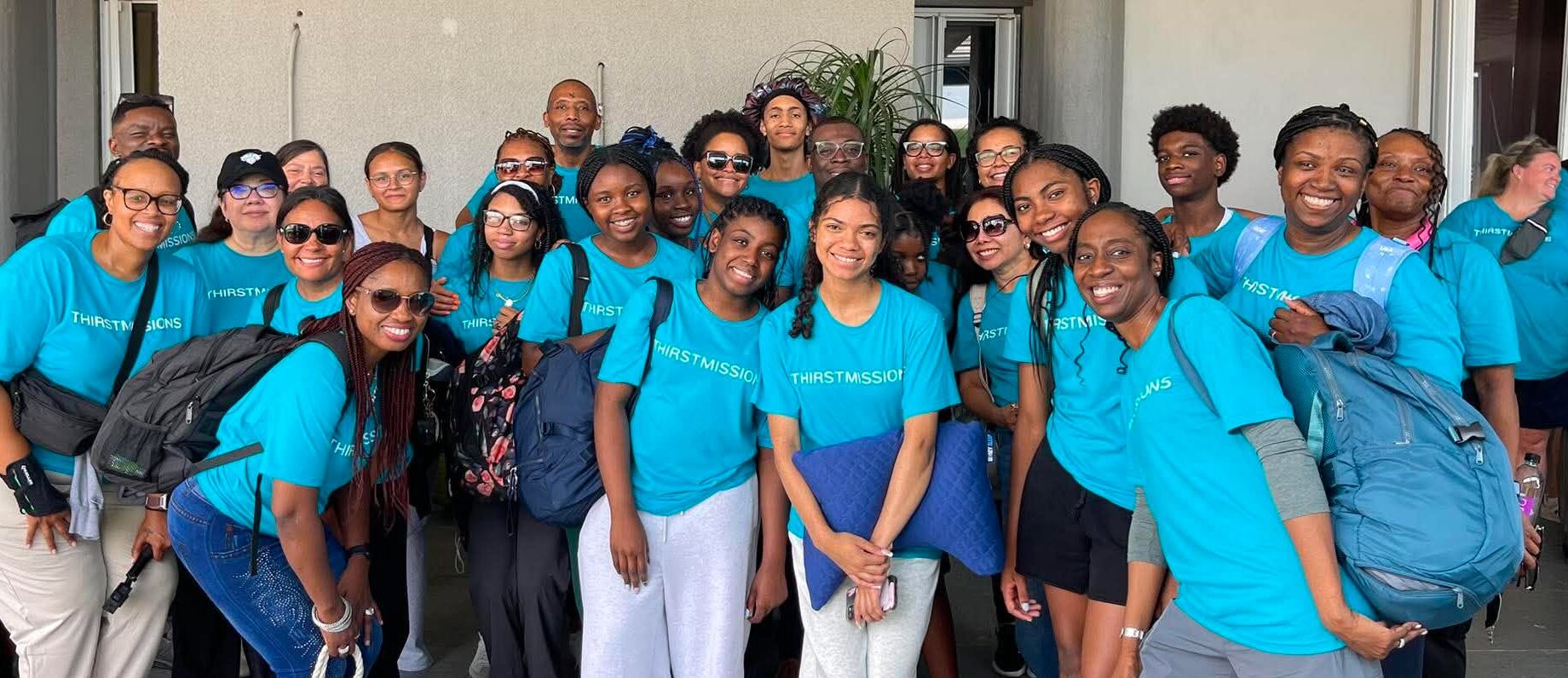
We’ve seen participants grow spiritually, local churches encouraged, needed projects completed, relationships formed, communities served and people discover a lifelong passion for missions.
But good intentions aren’t enough.
Healthy short-term missions require humility, preparation, strong local relationships, thoughtful leadership and a willingness to put the needs of the people being served ahead of the preferences of the people serving.
That’s also why choosing the organization you serve with matters.
Don’t just ask:
Where can we go?
How much does it cost?
Who have we used before?
Ask harder questions.
Who are their local partners?
How are ministry needs determined?
Who will care for and lead our people?
How will our group be prepared?
What happens in the community after we leave?
What do we want our participants to bring home besides pictures and a T-shirt?
Because you’re making a bigger decision than choosing where to spend one week.
You’re choosing an experience that could influence someone’s faith for years.
Choose it like it matters.
Planning a 2027 Mission Trip?
If you’re considering a mission trip for your church or school, we’d love to hear what you’re hoping to accomplish.
Give us 15 minutes.
Tell us about your group, your goals and what you’re looking for in a mission experience. Ask us hard questions. Compare us with other organizations.
We’d rather help you make the right mission decision than simply sell you a trip.
[LET’S TALK MISSIONS FOR 15 MINUTES]
Explore opportunities in [Alaska], [Appalachia], [Belize], [Guatemala], [Puerto Rico], [Nashville] and [New Orleans].
Ready to begin?
REGISTER YOUR 2027 MISSION TEAM
THIRST MISSIONS | Faith in Action