

Here’s a question we’ve heard hundreds of times:
“Do you think our group should go international?”
Sometimes there’s an assumption hiding behind the question.
International feels like the bigger mission trip.
It seems more adventurous and more sacrificial. The experience could be more memorable, or maybe even more spiritual.
After nearly two decades of short-term missions, we’d suggest a different way of thinking about it:
Don’t choose the trip that sounds most impressive. Choose the trip that makes the most sense for the people you’re serving and the people you’re leading.
For one group, that might mean getting on an airplane to Belize.
For another group, it might mean loading vans and driving to Appalachia.
Each can stretch people and expose real needs, strengthen churches, and create unforgettable experiences.
And God certainly doesn’t need a passport to change someone’s life.

1. How Ready Is Your Group to Be Uncomfortable?
We actually want mission trips to create some discomfort.
Not unsafe discomfort.
Growth-producing discomfort.
Sleeping somewhere different.
Eating unfamiliar foods.
Meeting people whose lives don’t look like yours.
Serving when you’re tired.
Talking with someone you normally wouldn’t approach.
Discovering that some of your assumptions about poverty, culture, faith—or even yourself—were wrong.
International trips can naturally create a significant cultural shift. A team serving in Belize or Guatemala, for example, enters another country and encounters different communities, traditions and ways of life.
[EXPLORE BELIZE MISSION TRIPS]
[EXPLORE GUATEMALA MISSION TRIPS]
But don’t underestimate domestic missions.
A teenager from suburban Minnesota can encounter a world dramatically different from his or her own while serving in rural Appalachia.
A group from the Lower 48 can discover communities, cultures and ministry realities in Alaska they’ve never experienced.
Students serving in New Orleans can encounter both extraordinary culture and very real human needs within the same city.
The question isn’t:
“How many miles can we travel?”
It’s:
“Where will our group be stretched in a healthy and meaningful way?”
2. Is This Your Group’s First Mission Trip?
This matters.
If you’re taking 25 middle school students on their first mission experience, you may make a different decision than a veteran adult team that has served together for ten years.
A domestic trip can be an excellent first step.
Travel can be simpler.
Parents may feel more comfortable.
Passports aren’t required.
Transportation may be easier.
And leaders can introduce students to service, ministry, flexibility and being outside their comfort zones without adding international travel.
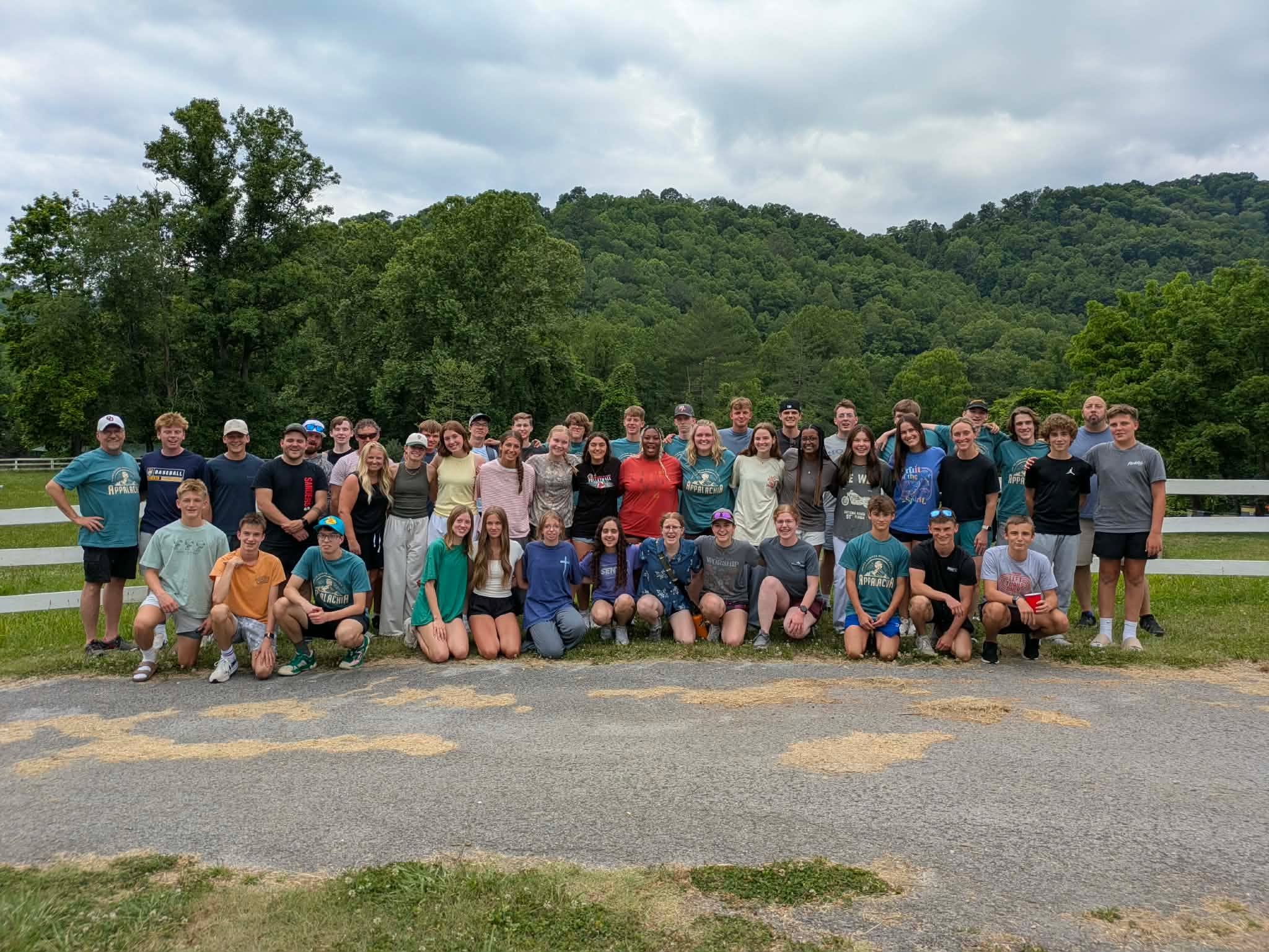
Our Appalachia mission trips, for example, can be especially accessible for groups able to drive to Southeastern Kentucky.
[EXPLORE APPALACHIA MISSION TRIPS]
Our Nashville and New Orleans Youth Collective Trips are another option designed specifically around student ministries, combining daily ministry with structured evening experiences, lodging, meals, staff leadership and dedicated time for groups to process what they’re experiencing.
[EXPLORE YOUTH COLLECTIVE MISSION TRIPS]
But there’s no rule saying a first mission trip can’t be international.
We’ve watched first-time participants thrive internationally.
The key is knowing your people.
Good leadership doesn’t ask, “What’s the biggest trip we can pull off?”
It asks, “What’s the right next step for this group?”
3. What Can Your Families Realistically Afford?
It isn’t a lack of faith to talk about money.
If choosing a particular destination prices half your students out of participating, that’s worth considering.
Domestic trips can sometimes reduce total cost—especially when a group can drive.
International trips add airfare and potentially passports and other travel-related expenses.
But don’t make assumptions.
Calculate the total cost of each option.
That’s why we recommend comparing the complete trip rather than just looking at the advertised per-person price.
If you haven’t already, read Blog #2 in this series:
[HOW MUCH DOES A MISSION TRIP REALLY COST?]
A less expensive trip isn’t automatically better.
And a more expensive trip isn’t automatically more transformational.
Stewardship means asking what you’re receiving for the resources families are being asked to invest.
4. What Kind of Ministry Fits Your Group?
This may matter more than the country.
At Thirst Missions, our Private Mission Trips are customized around the group and local ministry opportunities rather than forcing every team through an identical schedule.
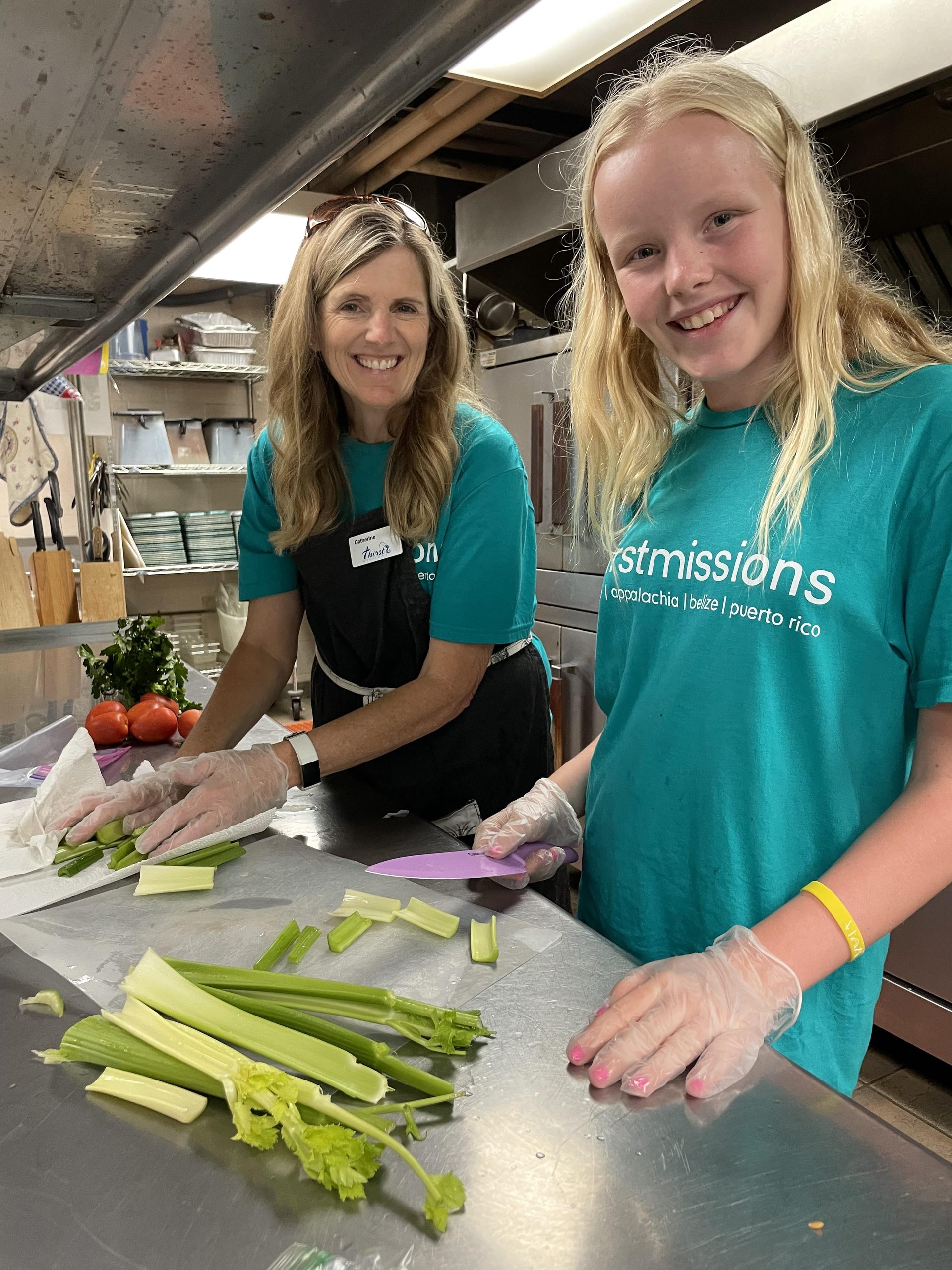
That can include service projects, church ministry, outreach, Blessing Bags, children’s ministry and other opportunities developed with local churches and ministry partners.
Your team’s gifts matter.
But so do the needs of the people you’re going to serve.
That’s an important distinction.
The purpose isn’t to find a community where your group can perform its favorite ministry.
It’s to bring your group’s abilities into a healthy partnership with what local Christian leaders actually need.
That’s why relationships with local churches and ministries are so important to our philosophy of missions.
Start with people—not projects.


5. How Much Cultural Exposure Do You Want?
International missions can provide something incredibly valuable:
The realization that God’s Church is much bigger than our own church.
Worship may sound different.
Food may taste different.
Homes may look different.
Schedules may work differently.
People may communicate differently.
And yet you can find yourself praying, worshiping and serving alongside brothers and sisters in Christ.
That can profoundly affect students and adults.
But cultural learning isn’t limited to crossing an international border.
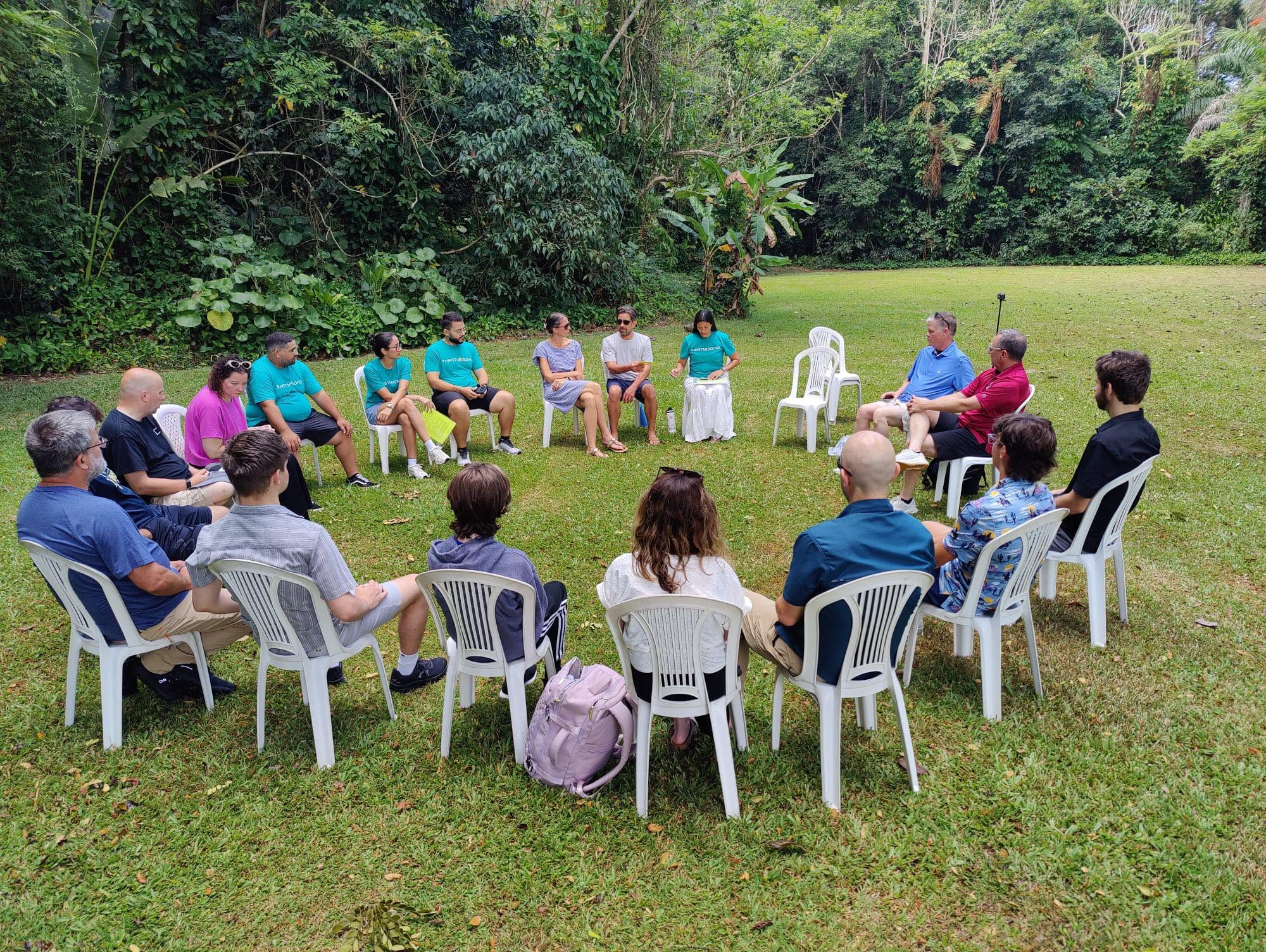
Consider Puerto Rico.
Your group remains within the United States, yet participants can experience a distinctive language, history, food, church culture and community environment.
What about Alaska?
Or Appalachia?
Or New Orleans?
One of the great gifts of missions is discovering:
Different doesn’t mean deficient.
We aren’t traveling somewhere to bring God with us.
He’s already there.
Our privilege is to discover what He’s doing, serve alongside His people, and participate faithfully.
6. What Does Your Group Need After the Trip?
This is one leaders don’t ask often enough.
Imagine your trip is over.
Everyone is back home.
The suitcases are unpacked.
The photos have been posted.
What do you hope is different six months later?
Do you want students serving more regularly in your own community?
Do you hope they become more generous, and more willing to talk about their faith?
Would you like them to be more interested in global missions?
Perhaps you wish they were more connected to your church, or more compassionate?
More aware of poverty and brokenness?
More comfortable praying with someone?
Maybe your first domestic trip becomes the beginning of a progression.
Serve locally → serve domestically → serve internationally → return and serve differently at home.
Or perhaps your international experience becomes the catalyst that wakes your group up to needs that were sitting five miles from your church all along.
Either can happen.
The destination is a tool.
Discipleship is the larger goal.
7. Which Door Is Actually Open?
Sometimes we can overcomplicate discernment.
You may discover that one option simply fits.
Your school calendar works perfectly for Alaska, your church can drive to Appalachia, your students are excited about Nashville, and your leadership wants an international experience and Belize makes sense.
Your group wants international cultural exposure without leaving U.S. territory, making Puerto Rico especially interesting, or you’ve developed a relationship with a particular church or ministry and want to return year after year.
Pay attention to those things.
Pray.
Talk with your leadership.
Listen to parents.
Consider your students.
Look at your budget.
Think about your ministry goals.
Then make a decision.
There may be several good choices—not one magical “correct” destination.

Sit down with your leadership team and score each potential destination from 1–5 in these areas:
Ministry Fit
Does the ministry fit our group’s gifts and goals?
Group Readiness
Is this an appropriate challenge for our participants?
Affordability
Can our families realistically make this work?
Travel
Does the transportation make sense for our schedule?
Cultural Growth
Will participants encounter people and perspectives different from their own?
Leadership Capacity
Can our leaders realistically prepare for and lead this experience well?
Excitement
Will people actually want to participate?
Then add one more question that doesn’t get a number:
Where do we sense God leading us?
Now you’re having a much better conversation than:
“Domestic or international?”

One reason Thirst Missions offers multiple locations is that groups aren’t all the same.
Appalachia — A highly accessible domestic opportunity in Southeastern Kentucky, particularly attractive to groups that can drive.
Alaska — A dramatically different domestic setting with customized ministry and local church partnerships.
Belize — An international experience built around ministry relationships and opportunities to serve alongside local Christians.
Guatemala — Cross-cultural international ministry with customized opportunities for groups.
Puerto Rico — A distinctive cultural mission experience within U.S. territory.
Nashville & New Orleans — Youth Collective experiences designed specifically for student ministries wanting meaningful service, relationships, structured programming and memorable evenings.
[EXPLORE ALL THIRST MISSIONS TRIP OPTIONS]
The goal isn’t to convince every group to choose the same destination.
Quite the opposite.
We’d rather help you find the right trip than simply sell you a trip.

You don’t need to call us and say:
“We’ve decided on Belize, July 12–17, and we’ll have 23 people.”
You can call us and say:
“We have absolutely no idea where we should go.”
That’s enough.
Tell us about your church or school.
Tell us your students’ ages.
Your approximate budget.
Where you’re coming from.
Your possible dates.
What you’ve done before.
What you hope God might do through the experience.
Give us 15 minutes, and we’ll help you compare the possibilities.
[SCHEDULE A 15-MINUTE MISSION TRIP CONVERSATION]
Already know you’re ready?
VIEW 2027 OPTIONS & REGISTER
THIRST MISSIONS
Short-Term Missions. Long-Term Relationships.