
Contributed by Jason Pfingsten, Founder & CEO, Thirst Missions
One of the most meaningful lessons I have learned through nearly two decades of leading Christian mission trips is that the people we set out to serve often end up changing us just as much as we impact them.
Most students, leaders, and volunteers arrive on a mission trip expecting to make a difference in someone else’s life. They come ready to serve at a food distribution, help with a Vacation Bible School, complete a community service project, or support a local ministry partner. While those opportunities are important, many participants discover that the greatest transformation happens through the relationships they build—both with the people they serve and with the people serving alongside them.
This reality reflects one of Jesus’ most profound teachings. In Matthew 25, Jesus tells His followers that when they feed the hungry, welcome the stranger, care for the sick, and serve those in need, they are ultimately serving Him. The people listening were surprised by this statement and asked when they had ever seen Jesus hungry, thirsty, or in need of help. His response remains one of the most powerful challenges in all of Scripture: “Whatever you did for one of the least of these brothers and sisters of mine, you did for me.”
For Christians, this means that serving others is about far more than completing projects or checking ministry activities off a list. It is an opportunity to encounter people who bear the image of God and, in a very real sense, to see Jesus reflected in those we serve.
Why Christian Mission Trips Create Lasting Relationships
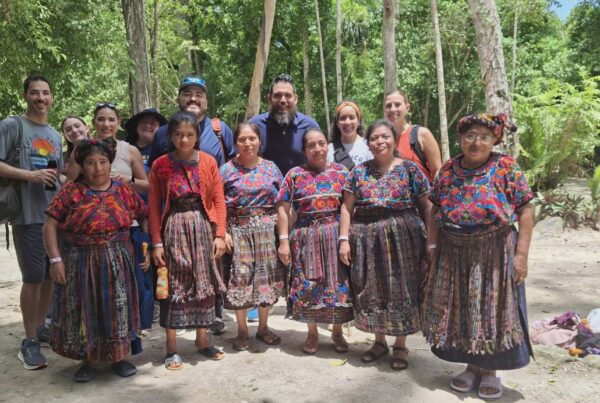
One of the reasons mission trips are so impactful is that they place students and leaders in situations where they are able to see people beyond stereotypes, assumptions, and first impressions. Whether serving in Alaska, Appalachia, Belize, Guatemala, Puerto Rico, Nashville, or New Orleans, participants quickly discover that ministry is ultimately about relationships. The project may bring people together, but it is often the conversations, shared experiences, and personal stories that leave the deepest impression.
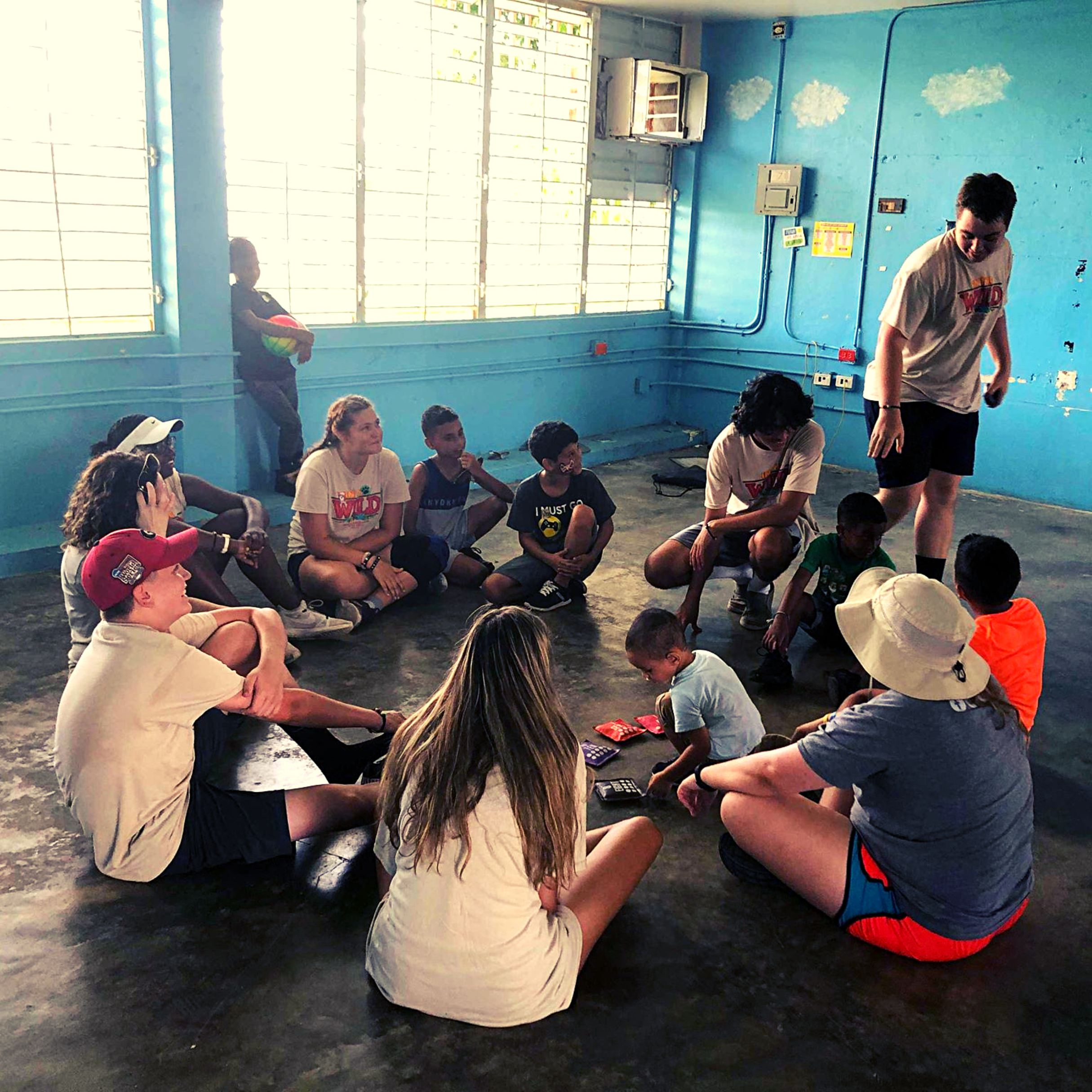
Students frequently return home talking less about what they built, painted, distributed, or organized and more about the people they met. They remember the child who wanted to play for hours, the elderly resident who shared stories of faith and perseverance, the ministry partner who faithfully serves their community year-round, or the family who welcomed them with incredible hospitality despite having very little materially.
How Youth Mission Trips Strengthen Church Communities
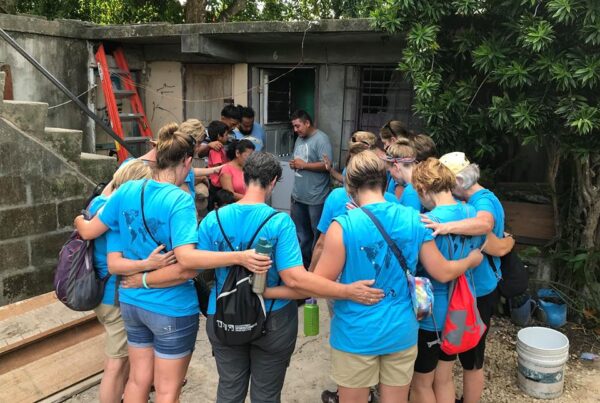
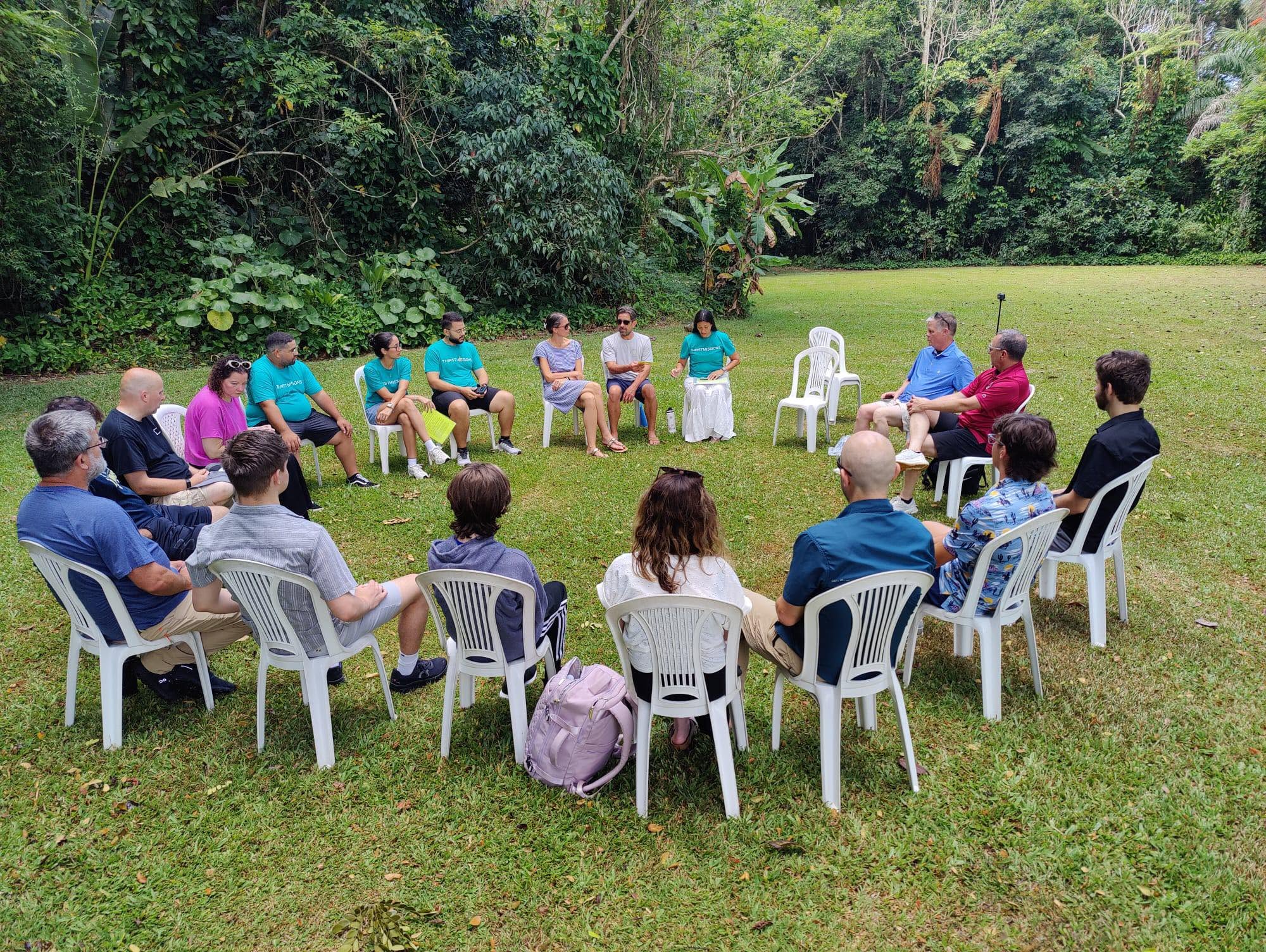
Yet some of the most important relationships formed on a mission trip are not with the people being served. They are with the people sitting next to us on the van, serving beside us throughout the day, worshiping alongside us each evening, and sharing meals and conversations throughout the week.
One of the beautiful aspects of a mission trip is that it brings together students and leaders who often know each other only casually at church or school. Some may have attended the same youth group for years without ever having a meaningful conversation. Others may know each other’s names but have never truly built a friendship.
Then they spend a week serving together, praying together, laughing together, and stepping outside their comfort zones together.
There is something powerful about shared experiences. When students work together toward a common purpose, barriers begin to disappear. Cliques often fade. New friendships emerge. Students begin to see each other differently. Leaders gain deeper relationships with students. Students gain a greater appreciation for their leaders. Conversations that might never happen during a typical Wednesday night youth group or Sunday morning church service suddenly happen naturally during a mission trip. By the end of the week, many participants feel closer to people they barely knew only a few days earlier.
This is one of the reasons mission trips can have such a lasting impact on a church or youth ministry. Unlike a conference or event where everyone returns home and goes their separate ways, mission trip participants return to the same church, the same school, and the same community. They continue living life together. The friendships formed during the trip continue. The conversations continue. The inside jokes continue. More importantly, the spiritual growth continues. Students return with shared memories, shared experiences, and a shared understanding of what God did during the week.
I’ve watched youth groups become stronger because of a mission trip. I’ve seen students who rarely attended youth group become fully engaged after serving alongside their peers. I’ve seen leadership teams become more unified. I’ve seen churches benefit from stronger relationships among students, volunteers, parents, and staff members. In many ways, the mission trip becomes a catalyst not only for serving others but also for strengthening the church community itself.
The Role of Christian Service in Spiritual Growth
Christian mission trips provide a unique opportunity to develop both compassion and connection. Participants learn to care for people outside their normal circles while simultaneously deepening relationships within their own group. They discover that ministry is not something we do alone. It is something we do together. Just as Jesus sent His disciples out in community, mission trips remind us that faith grows best in the context of meaningful relationships.
The more we learn to see people through the eyes of Jesus, the more our own faith begins to grow. Serving others has a way of revealing our dependence on God while simultaneously expanding our understanding of His love.
Many mission trip participants discover that they return home more grateful, more compassionate, and more aware of God’s presence in their daily lives. They also return home with stronger friendships and a deeper sense of belonging within their church community. Those relationships often become one of the most lasting and influential outcomes of the entire experience.
One of the reasons Christian mission trips continue to be such powerful discipleship tools is that they combine service, relationships, leadership development, and spiritual growth into a single experience. Whether participating in youth mission trips, student mission trips, church mission trips, or Christian school mission trips, students often return home with stronger faith, deeper friendships, and a renewed desire to serve Christ in their everyday lives.
These mission trip experiences create lasting impact not only in the communities being served but also within the churches and youth groups that participate.
Seeing Jesus More Clearly
At Thirst Missions, we have seen this happen thousands of times. Students and leaders travel to serve others, but they often leave with a renewed understanding of discipleship, compassion, community, and faith in action. They discover that mission trips are not simply about traveling to a different location or completing meaningful projects. They are about encountering God through relationships. They are about learning to see others the way Christ sees them. They are about recognizing that every person is created in the image of God and worthy of dignity, respect, and love.
Perhaps that is one of the greatest gifts of Christian mission trips. They remind us that ministry is not ultimately about what we accomplish. It is about who we encounter. It is about the family we serve, the child we encourage, the ministry partner we support, and the fellow student or leader who becomes a lifelong friend. When we slow down enough to listen, serve, and build relationships, we often discover that God is working in every direction around us. We see Him in the people we came to serve, and we see Him in the people serving right beside us.
Where Faith Meets Action
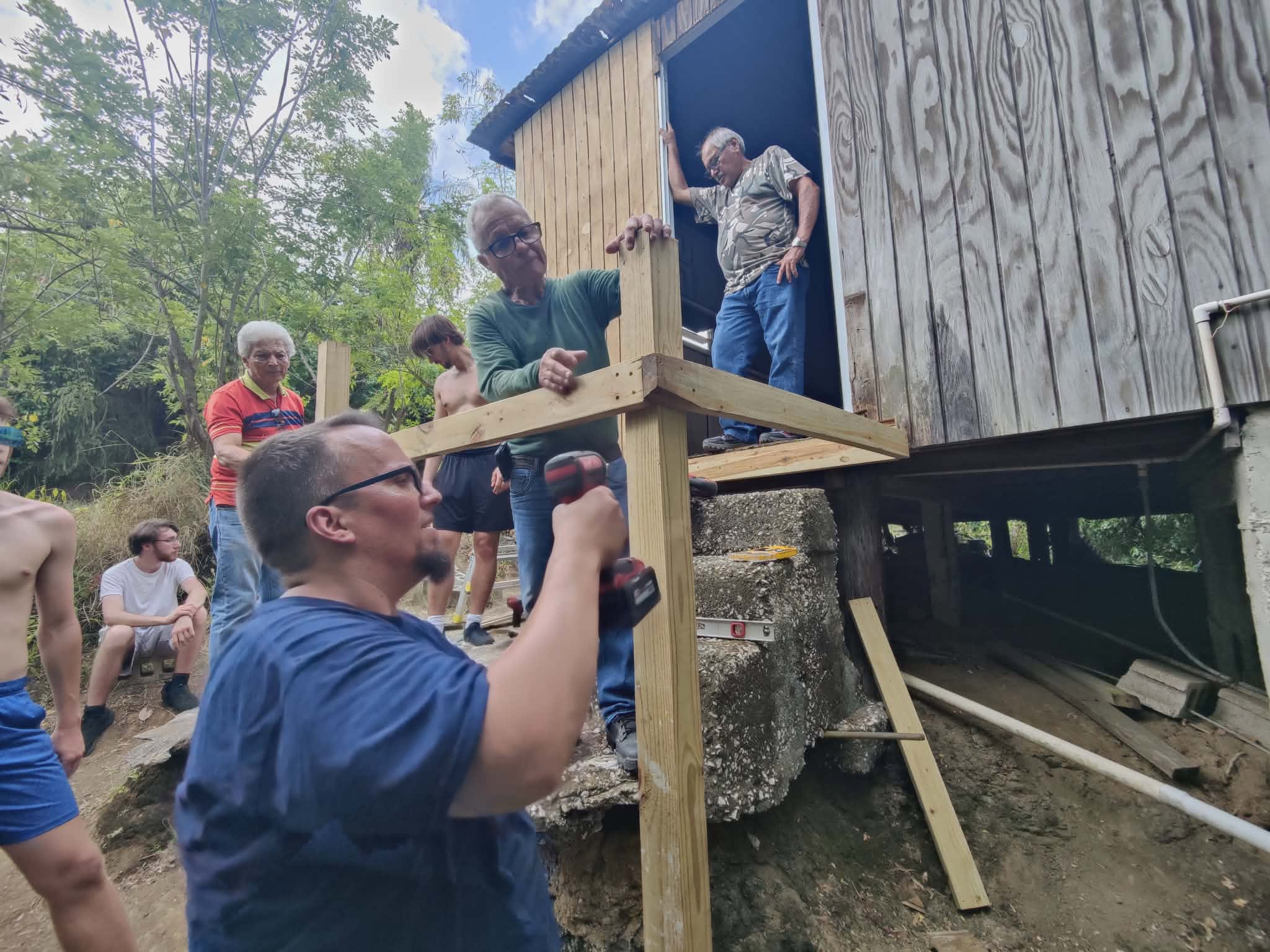
Mission trips create opportunities for students and leaders to step outside their routines, serve alongside local ministries, and build meaningful relationships with people from different backgrounds and communities. At the same time, they strengthen the relationships within a church, school, or youth group in ways that continue long after the trip is over. When participants return home, they don’t leave those relationships behind. They bring them back to their hometowns, churches, schools, and ministries. And often, those strengthened relationships become part of the lasting impact God intended all along.
When we learn to see Jesus in the people we serve—and in the people serving beside us—we discover that mission trips are about much more than a week of ministry. They are about building relationships that help us follow Christ together.
Alaska Mission Trips | Appalachia Mission Trips | Belize Mission Trips | Guatemala Mission Trips | Puerto Rico Mission Trips | Youth Collective Mission Trips | Registration Page | 10 Questions Parents Ask About Mission Trips Blog