
Contributed by Jason Pfingsten, Founder & CEO, Thirst Missions
One of the questions we get asked most often is, “What does a typical day on a Thirst Missions trip look like?”
The best way to answer that question is to simply invite you into a day with us.
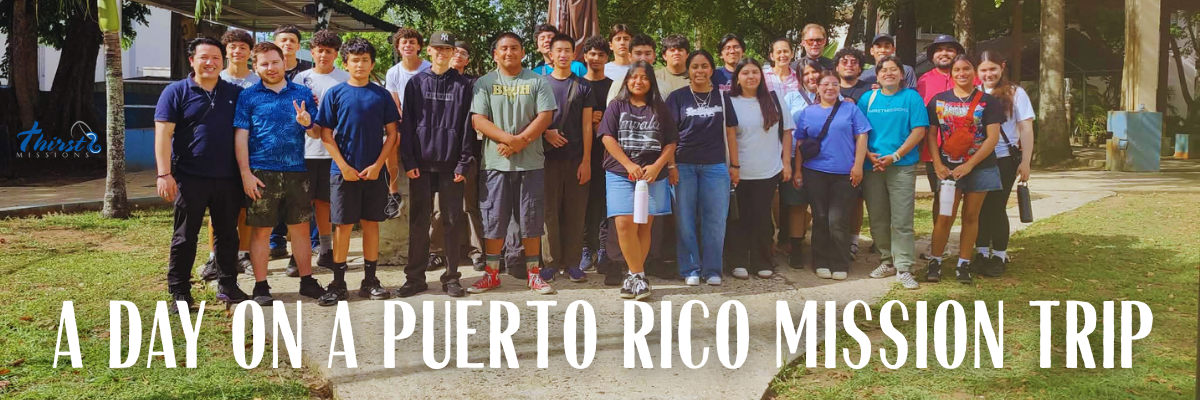
Imagine waking up in Puerto Rico. The sun is already beginning to rise over the island as students slowly make their way toward breakfast. Some are still rubbing sleep from their eyes. Others are already talking about the conversation they had with a local family the day before, laughing about something that happened during worship, or making plans to sit together on the van ride later that morning.
Before ministry ever begins, relationships are already growing.
The breakfast room fills with conversation, anticipation, and the smell of fresh food. One thing we believe strongly at Thirst Missions is that taking care of people matters. We want participants to arrive each day well-rested, well-fed, and ready to serve. That’s why our meals are intentionally planned and buffet-style, offering plenty of options while also accommodating food allergies and dietary needs. It may seem like a small detail, but we’ve learned over the years that many meaningful conversations begin around a table.
Breakfast
Breakfast isn’t simply about eating. It’s about community. It’s about slowing down long enough to connect before the day begins.
After breakfast, the team gathers for morning devotions. Every day of the trip is built around a theme, and that theme becomes much more than a devotional topic. It becomes the lens through which the team experiences the day. One morning the conversation may center around compassion. Another day it may focus on courage, humility, or trusting God. Whatever the theme is, it often resurfaces throughout the day in ways nobody could have planned.
Soon everyone piles into the vans, and the day begins.
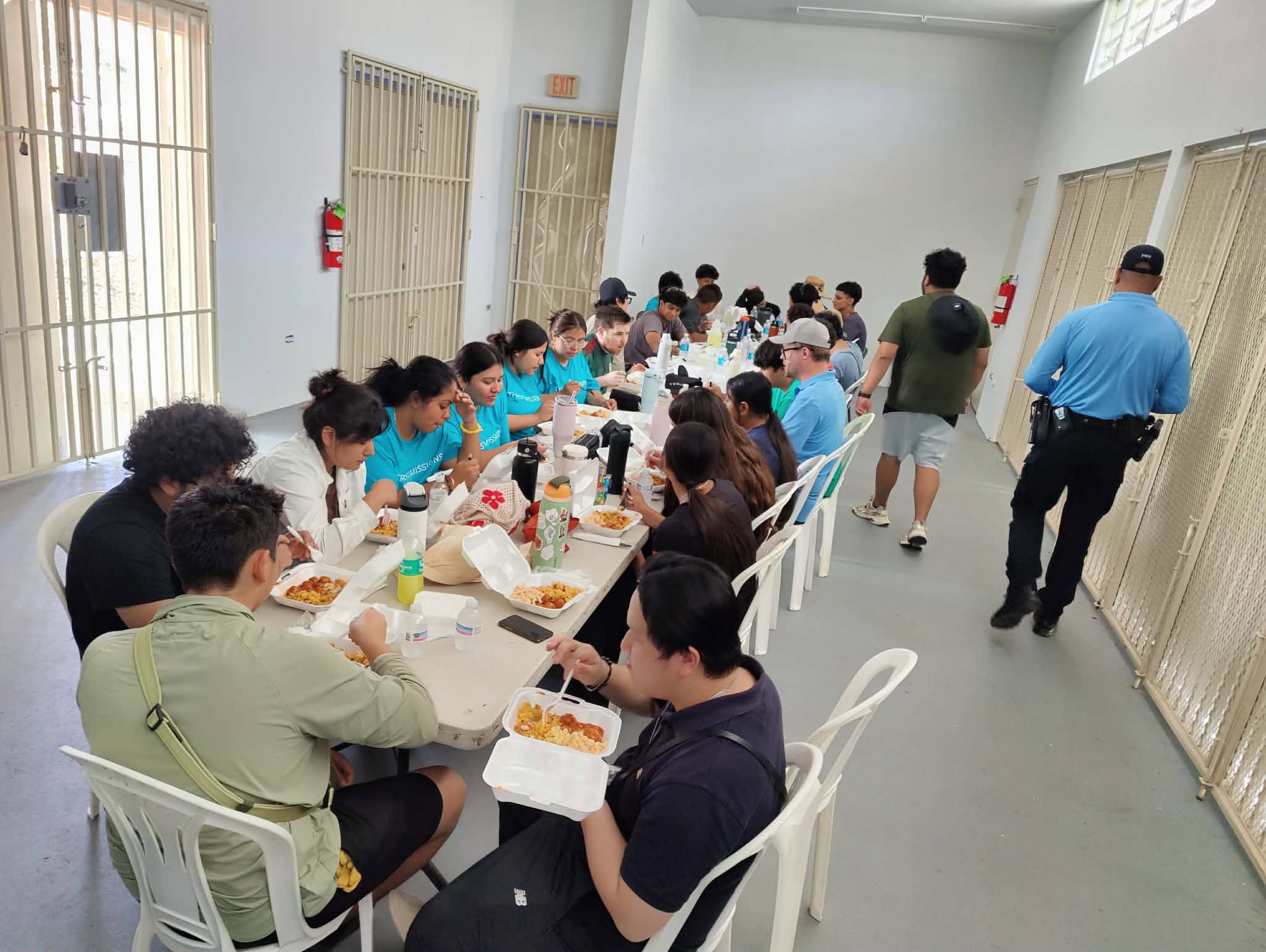
One of my favorite things about Thirst Missions is that our staff aren’t simply coordinating things behind the scenes. We’re with the team throughout the day. We ride in the vans, eat the meals, and serve alongside participants. We laugh, sweat, worship, and pray together. By the end of the week, our staff don’t feel like event coordinators. They feel like part of the team.
We genuinely care about every participant, every leader, and every group that serves with us. In many ways, that’s the heart of who we are. When a team arrives, we don’t feel like we’re welcoming customers. We feel like we’re welcoming guests. The difference is that instead of opening the door to our home, we’re opening the door to a community and a location that we’ve come to know and love over many years of ministry. We want every participant to feel cared for, valued, encouraged, and known from the moment they arrive until the moment they head home.
Ministry
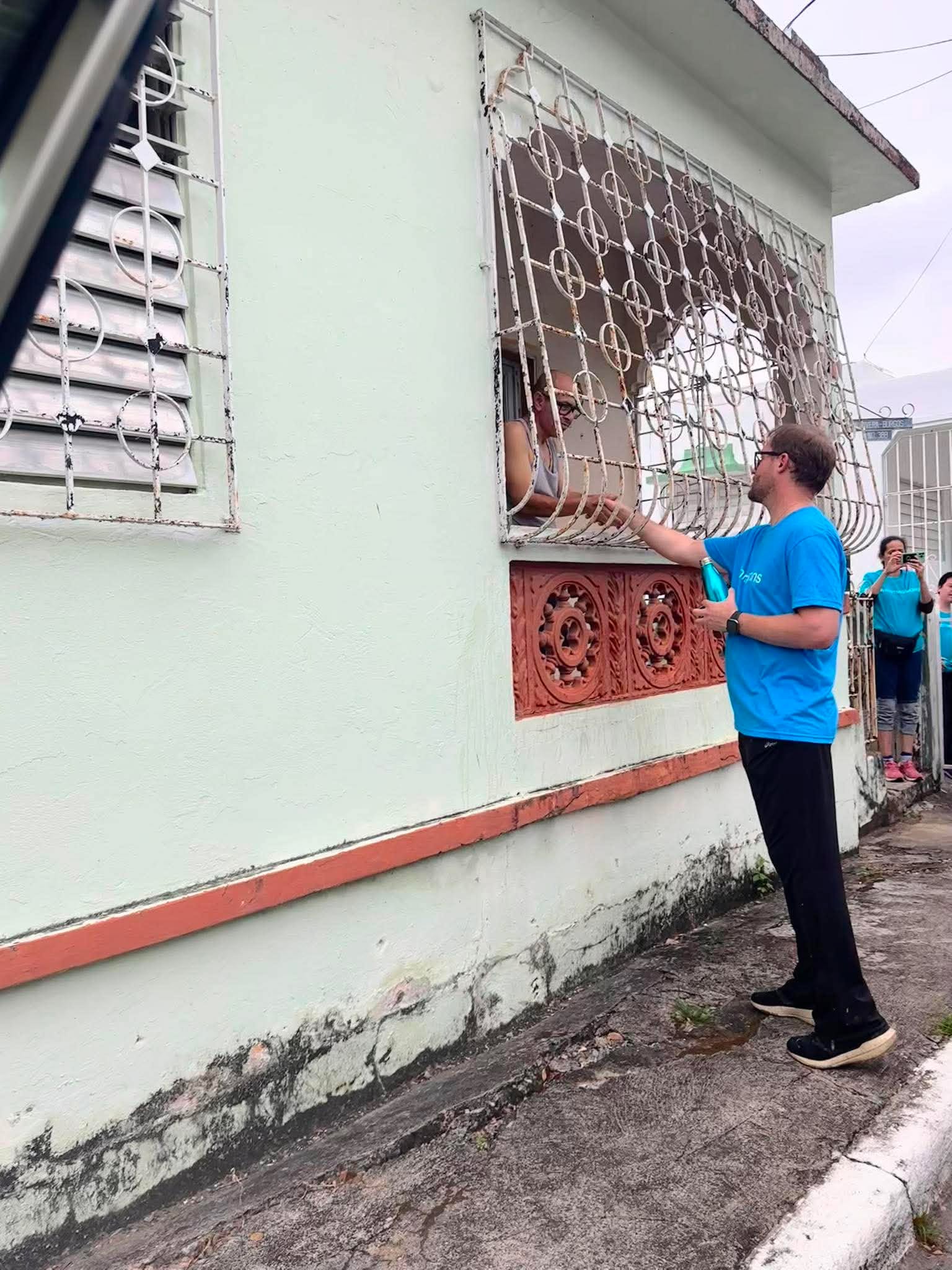
As the morning unfolds, ministry begins to take shape. Some participants are painting and repairing a home. Others are helping with sports ministry in a local community. A few are organizing supplies for a church outreach event while another group is delivering blessing bags and visiting homes with local ministry partners.
The beautiful thing about Puerto Rico is that ministry rarely feels disconnected from the people you’re serving. You’re not simply completing a project and moving on. You are meeting families, hearing stories, and learning their names. You are sitting on front porches, praying with people, and beginning to understand that ministry is ultimately about relationships.
Every day is thoughtfully planned and carefully organized. Our staff spend months preparing before a team ever arrives. Ministry opportunities are coordinated. Transportation is arranged. Meals are planned. Recreation is scheduled. The week has purpose and direction.
People
At the same time, we’ve learned after more than 1,000 mission trips that ministry is ultimately about people, not schedules. The best mission trips are organized enough to run smoothly and flexible enough to respond when God opens unexpected doors.
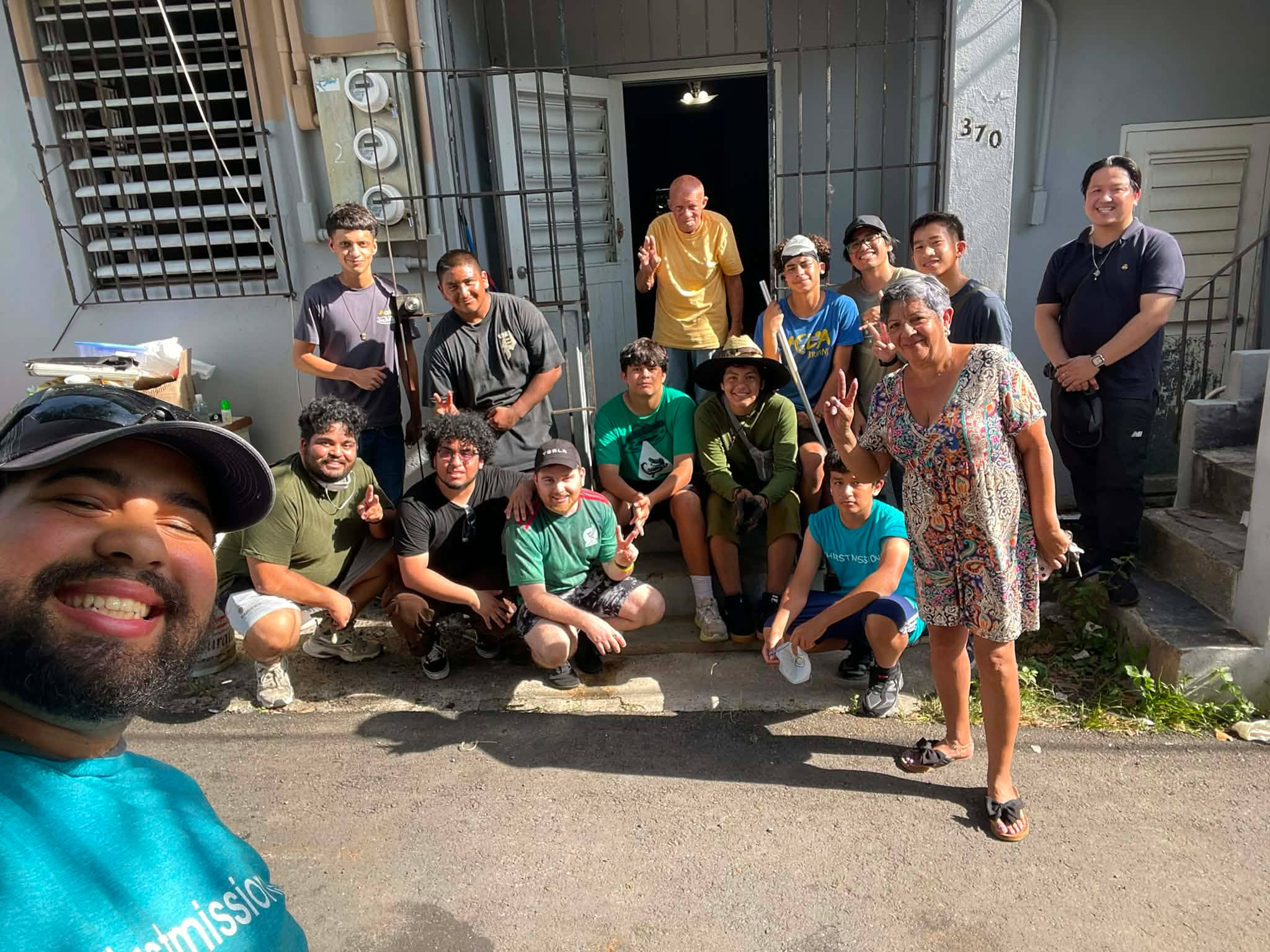
I remember one afternoon when a local pastor called and mentioned an elderly woman who needed help around her home. She wasn’t on the schedule for that day. In fact, most visitors would never have known she existed. But after years of ministry partnerships, our local team knew exactly who she was.
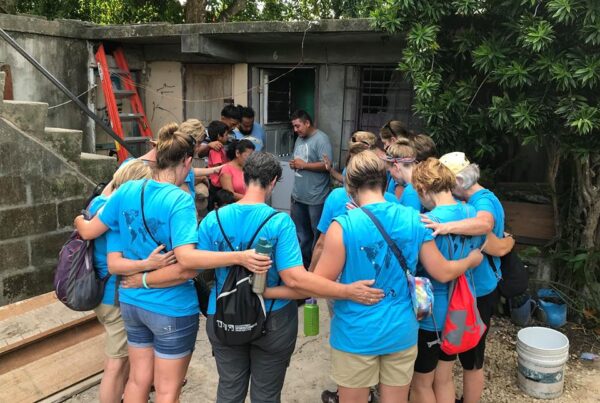
Within a short time, the group found themselves standing outside her small home. Some students grabbed paint brushes. Others picked up cleaning supplies. A few simply sat on a porch and listened while she talked about her life and her faith. When it was time to leave, the entire group gathered around her and prayed.
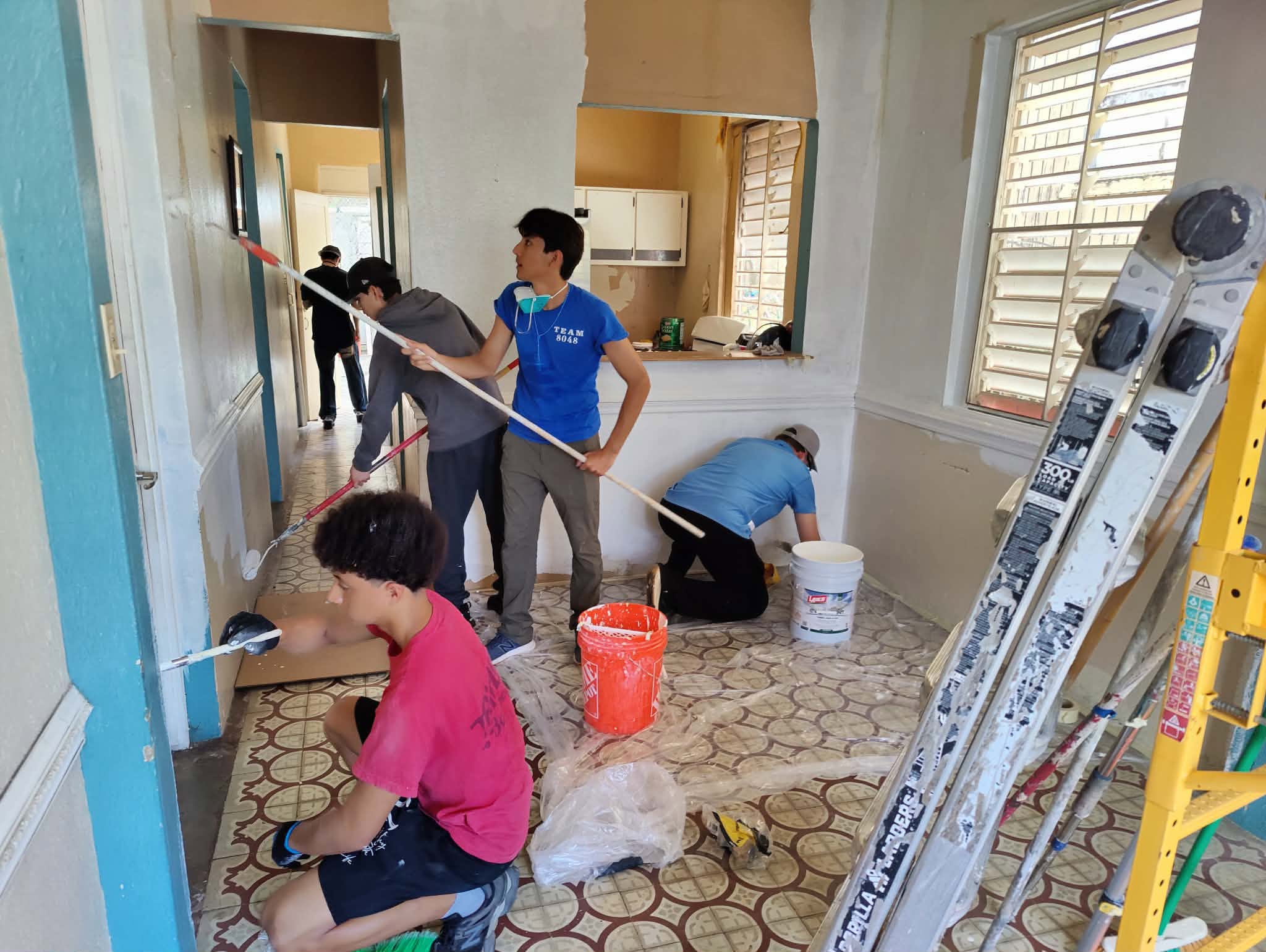
As we drove away, nobody was talking about the paint.
Nobody was talking about the work.
They were talking about her.
That’s what people remember.
Relationships
Those moments happen because of relationships that have been built over many years. They happen because our ministry partners know their communities so well, and they happen because many of our locations include local staff members who grew up there, understand the culture, and know the people behind the needs. They help us see opportunities that visitors would never find on their own.
That local knowledge also makes the experience richer in unexpected ways. Sometimes after a ministry day, we’ll stop at a small coffee shop where the owner seems to know every customer who walks through the door. Other days it might be an ice cream shop that has become a favorite stop for teams over the years. Occasionally a staff member will suggest a quick hike, a scenic overlook, or a hidden spot along the coast that isn’t listed in the travel guides. Those moments may seem small, but they become part of the story participants tell when they get home.
By the time dinner arrives, the day feels full—not rushed, but full. , and shared experiences. Full of opportunities to see God at work.
The students who arrived as acquaintances are beginning to look like a community. Leaders are having meaningful conversations with students they barely knew before the trip. Ministry stories are being shared across the tables. The entire group is slowly becoming something different than it was at the beginning of the week.
Then comes evening worship.
Worship
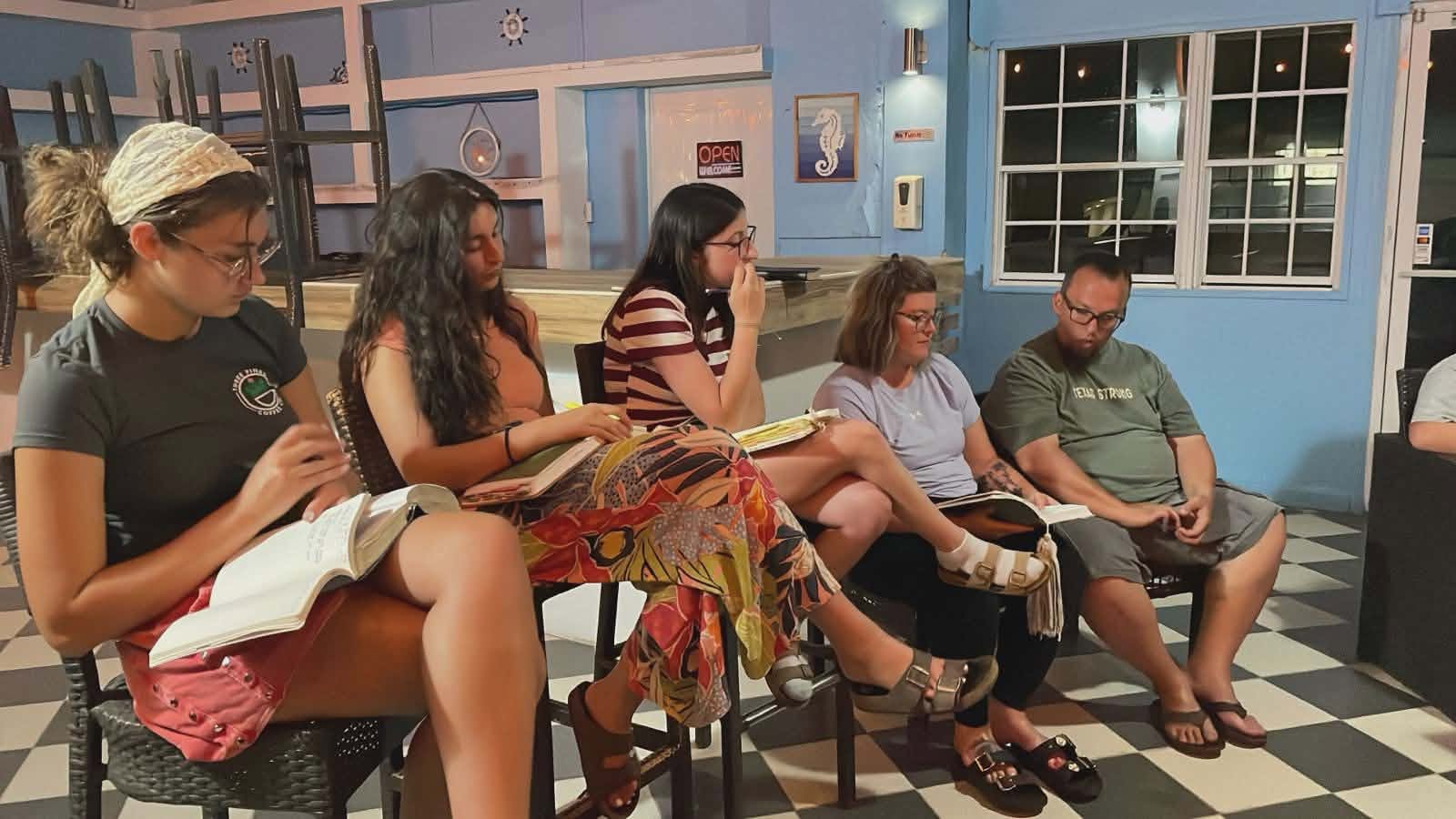
If breakfast starts the day, worship often becomes the moment that brings everything together. The stories from the day are shared. The theme from the morning devotion comes back into focus. Teams worship together, pray together, and reflect on where they saw God throughout the day. Time and time again, participants tell us that these evening gatherings become some of their favorite moments of the week.
After serving alongside more than 20,000 participants on over 1,000 mission trips, we’ve learned that the most meaningful part of a mission trip is rarely the project itself. It’s the relationships that are formed along the way. Relationships with God, teammates., and with local ministry partners. Relationships with people whose lives intersect with yours for a few short days but whose stories stay with you for years.
That’s what a day on a mission trip in Puerto Rico feels like.
It’s a day filled with purpose, relationships, service, worship, laughter, and unexpected moments that no schedule could fully capture. And when enough of those days are strung together over the course of a week, something remarkable happens. A mission trip becomes much more than a trip. It becomes an experience that changes the way people see God, see others, and see themselves.
PUERTO RICO MISSION TRIP | 2027 EARLY BIRD PRICING | THIRST MISSIONS | REGISTER | OLD SAN JUAN PUERTO RICO VIDEO | WHY PUERTO RICO