
When organizing summer calendars, youth pastors and leaders spend months asking logistical questions. We worry about transport, lodging, and safety. But beneath the logistics, a deeper question always lingers: What is the actual goal of our youth group mission trips?
If we measure success solely by physical output—walls painted, structures built, or vacation Bible school attendance numbers—we miss the most profound moments of transformation. We risk turning a powerful relational experience into a mere transaction.
At Thirst Missions, we believe in a different framework. We design trips around mutual partnership and community dignity, ensuring our teams step into a region as learners and partners, not as fixers with a savior complex. In fact, intentional relationship building is a foundational pillar on every single one of our mission trips, anchoring everything we do from the moment a team arrives.
Ben’s story from one of our ministry weeks completely flipped the script on what “impact” really means.
The Teenager at the Edge of the Circle
Ben was a quiet sixteen-year-old who joined his church’s youth mission trip at the last minute. From the moment the team arrived and met their local Thirst Missions staff members, Ben hovered near the perimeter. While the more extroverted students naturally jumped into the center of the action, Ben felt entirely out of his depth. He didn’t know how to mix concrete, he wasn’t a musician, and the thought of leading a large group game filled him with pure anxiety.
By Wednesday, he was convinced he had nothing to offer. He felt like a spectator in his team’s matching apparel.
Then came Thursday afternoon.
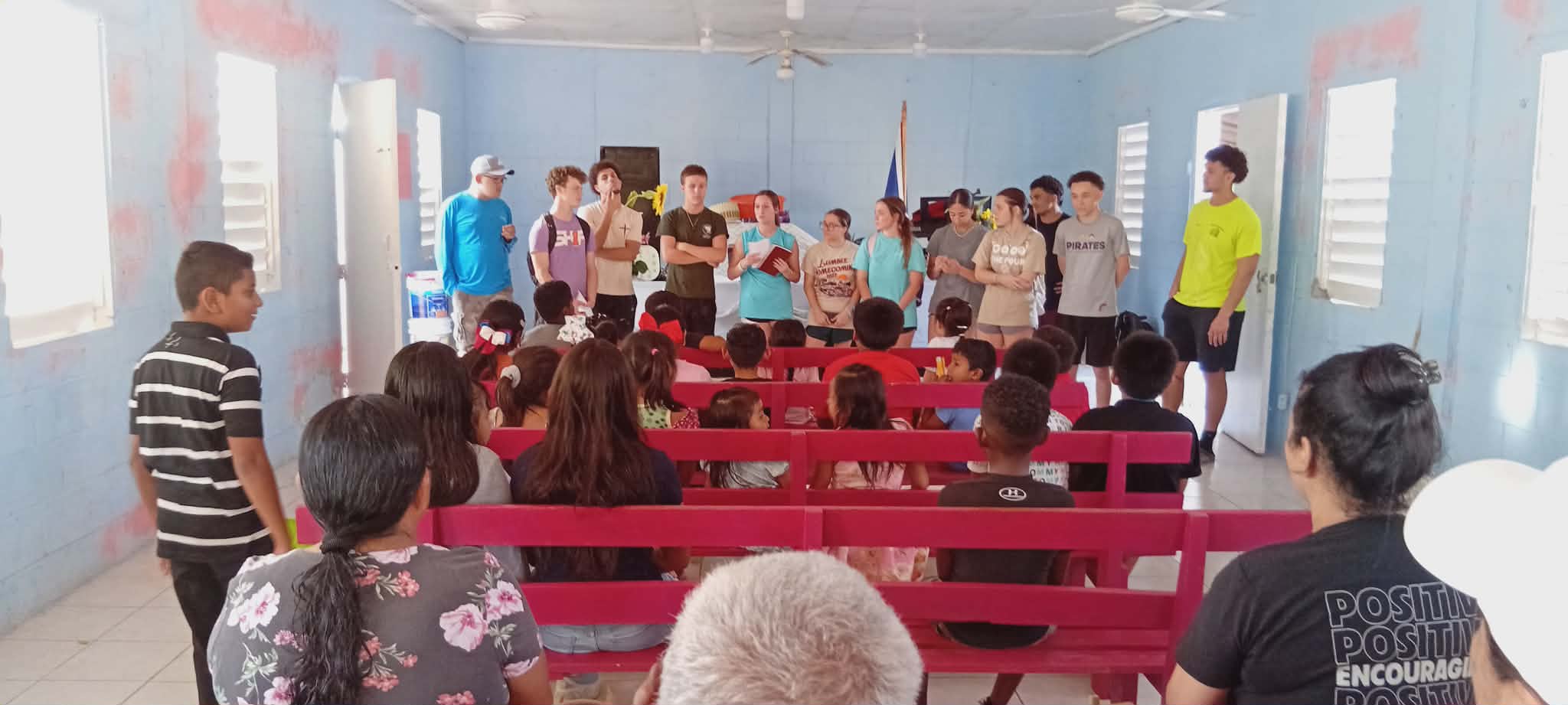
The youth group was collaborating with a local church partner, working alongside a Pastor Manuel. The afternoon heat was intense, and most of the students were focused on finishing a construction project before the sun went down.
Ben had stepped to the shade of a side porch to grab a water bottle. Sitting on a wooden bench nearby was Carlos, an elderly local gentleman who watched the church’s daily ministries from his porch every single day.
Instead of walking back to the loud work site, Ben hesitated. Then, he pointed to the empty space on the bench and asked Carlos if he could sit down.
Moving From Efficiency to Empathy
What followed wasn’t an organized program. It was a slow, quiet conversation.
Ben’s Spanish language skills were basic; Carlos’s English was limited. But over the next two hours, the barriers melted away. Ben pulled out his phone to show Carlos photos of his family’s pets back home; Carlos pointed down the street to the local recreation field and used gestures to describe the legendary soccer games played there when he was a young man. They laughed, they shared a cold drink, and mostly, they just listened to one another.
When the youth group packed up the tools at 5:00 PM, the other students were exhausted but proud of the physical work completed. But the real shift had occurred on the porch.
Pastor Manuel walked over to our Thirst Missions field staff with a massive smile, pointing at Ben. He told us, “That young man made Carlos feel seen for the first time in months. That is what our community actually needs.”
Ben didn’t fix a roof that week. But he offered his full, unhurried presence. He stopped trying to perform service and simply became a friend.
What to Look For in Short Term Mission Trip Organizations
If you are currently researching youth group mission trips, you want an experience that challenges your students while respecting the dignity of the communities you visit.
When vetting short term mission trip organizations, look for these three vital pillars to ensure your next trip prioritizes relational partnership over mere productivity:
1. Absolute Local Autonomy
The best short term mission trips don’t arrive with a pre-packaged, cookie-cutter agenda. At Thirst Missions, we don’t buy properties or run our own churches. Instead, we find incredible local leaders who are already embedded in the community for the long haul and ask how we can support their ongoing vision. Our staff members then commit to working with, investing in, and ministering with the local ministry partners all year long. Your students step in to amplify local ministry, working directly under local guidance.
2. Time for “Unproductive” Presence
If an itinerary is packed from 6:00 AM to 10:00 PM with strict project deadlines, there is no room for organic connection. Healthy trips build in dedicated space for genuine community immersion – the intentionality of building relationships.
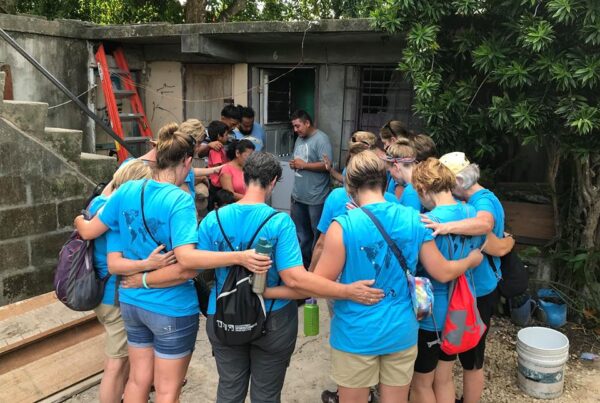
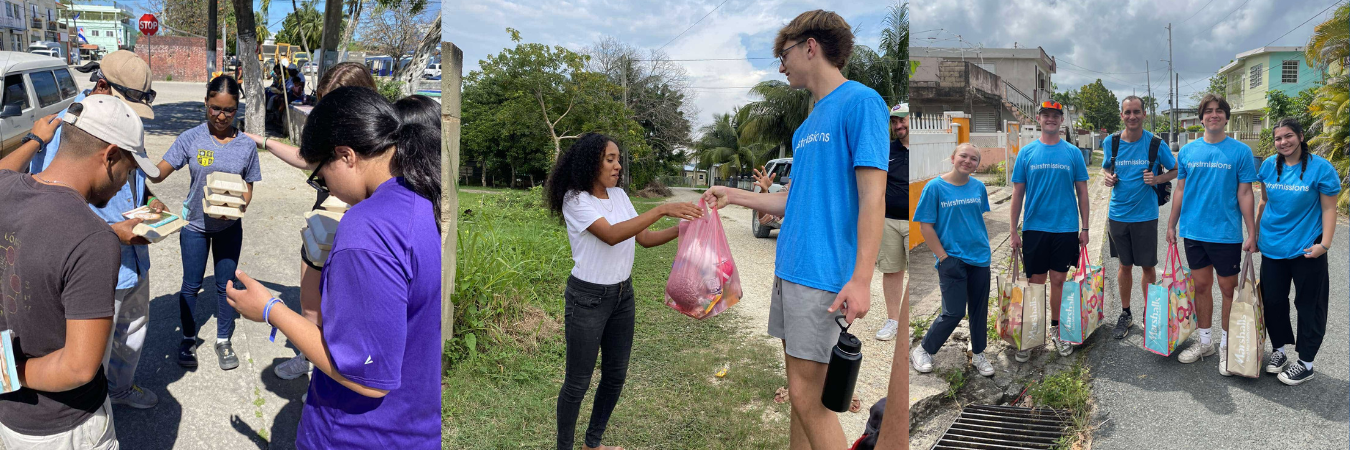
At Thirst Missions, this often looks like stepping out into the neighborhood to hand-deliver “blessing bags” filled with everyday essentials. What starts as a simple drop-off frequently opens the door to something much deeper. When students humbly offer to pray for a family right there in their living room, walls come down. Suddenly, the small group who know led in the door find themselves invited in for coffee, sharing stories, giving invitations to church, and catching a glimpse of a family’s real, day-to-day needs.
The Beautiful Ripple Effect of Home Visits
This relational proximity moves hearts on both sides of the doorstep.
For the Team: After sitting inside a home and seeing a family’s reality firsthand, many of our teams have been so moved that they voluntarily pool their resources to purchase larger, life-changing items—like appliances, beds, or building materials—for the family later that week
For the Community: These unhurried visits build an instant bridge back to the local ministry. Time and time again, residents who received a blessing bag and a heartfelt prayer are moved to step into the local partner church for the very first time. They don’t just feel served; they feel deeply loved by God and the local church through the presence of the mission team.
3. Redefining Success Before You Travel
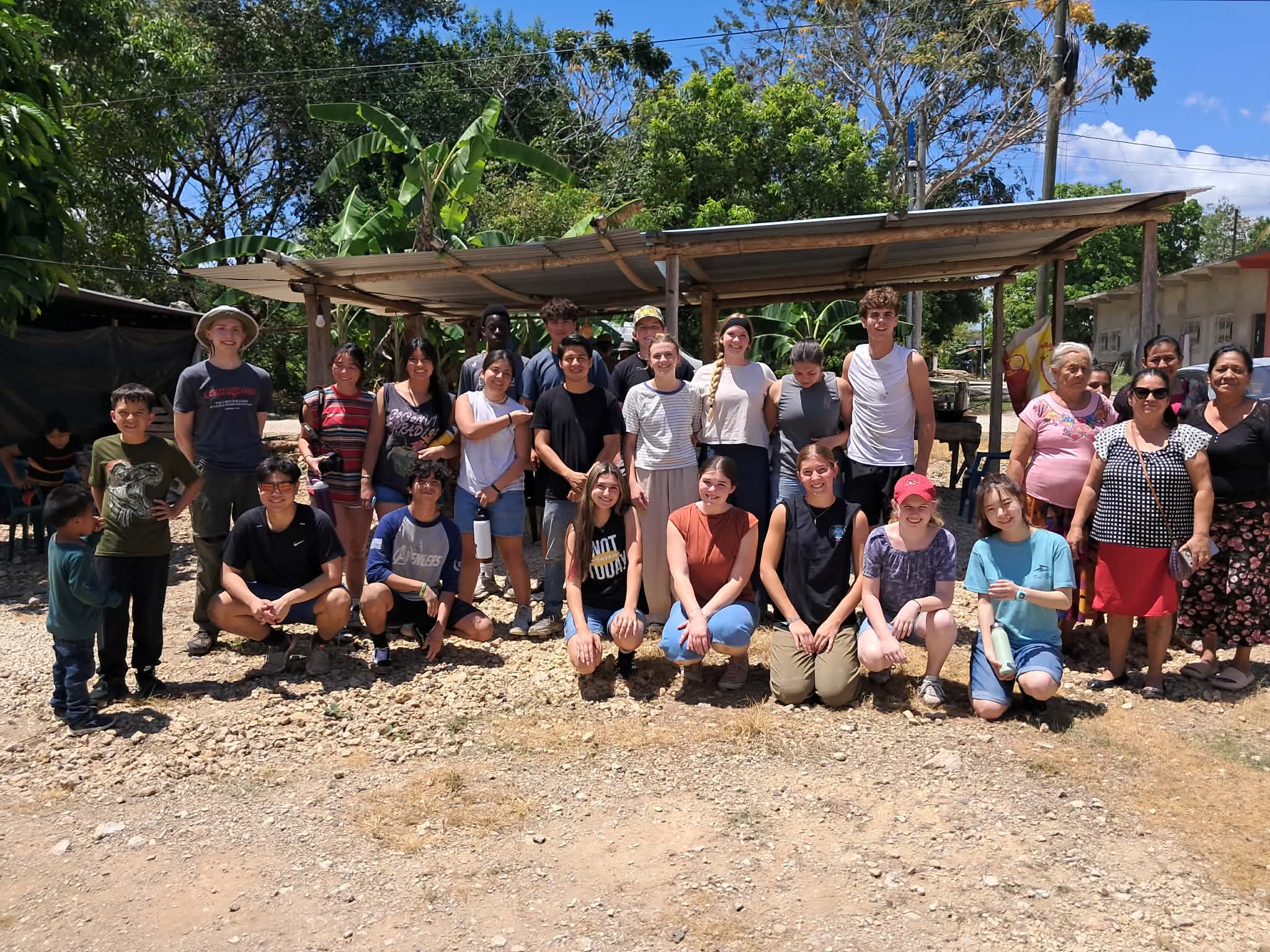
This summer, before leaving home, change the metrics of the upcoming mission trip during your team training sessions. Remind your students that a successful day isn’t measured by how much paint is left in the bucket. Teach them to look for the “unseen impact”—the quiet conversations, the shared laughter, and the moments of mutual learning that come when relationship building is your primary focus.
The Real Transformation
When the team boarded the Thirst Missions passenger vans to head back to the airport, Ben wasn’t sitting in isolation at the back anymore. He was talking with the rest of the group, his posture completely changed.
He realized that true service doesn’t require you to be the loudest person in the room or a master craftsman. It simply requires a willing heart, a humble spirit, and the willingness to sit shoulder-to-shoulder with someone else.
A great mission trip shouldn’t just provide a travel coordinator; it should build a lifelong bridge. When you partner with Thirst Missions, your youth group experiences a culture of deep respect, ensuring that while they serve local communities with dignity, and build in the time and intentionality to build relationships and show genuine love, their own hearts are transformed in the process.